Soot on walls and belongings
Fine residue may settle beyond the room where the fire started. Tell us which areas were exposed before attempting surface cleaning.
The fire is out, but familiar rooms may still be covered in soot or soaked from firefighting. Hudson Waterfront provides fire damage restoration in Hoboken. We consider smoke residue, affected surfaces, and wet materials when defining the cleanup.
24/7 Emergency Service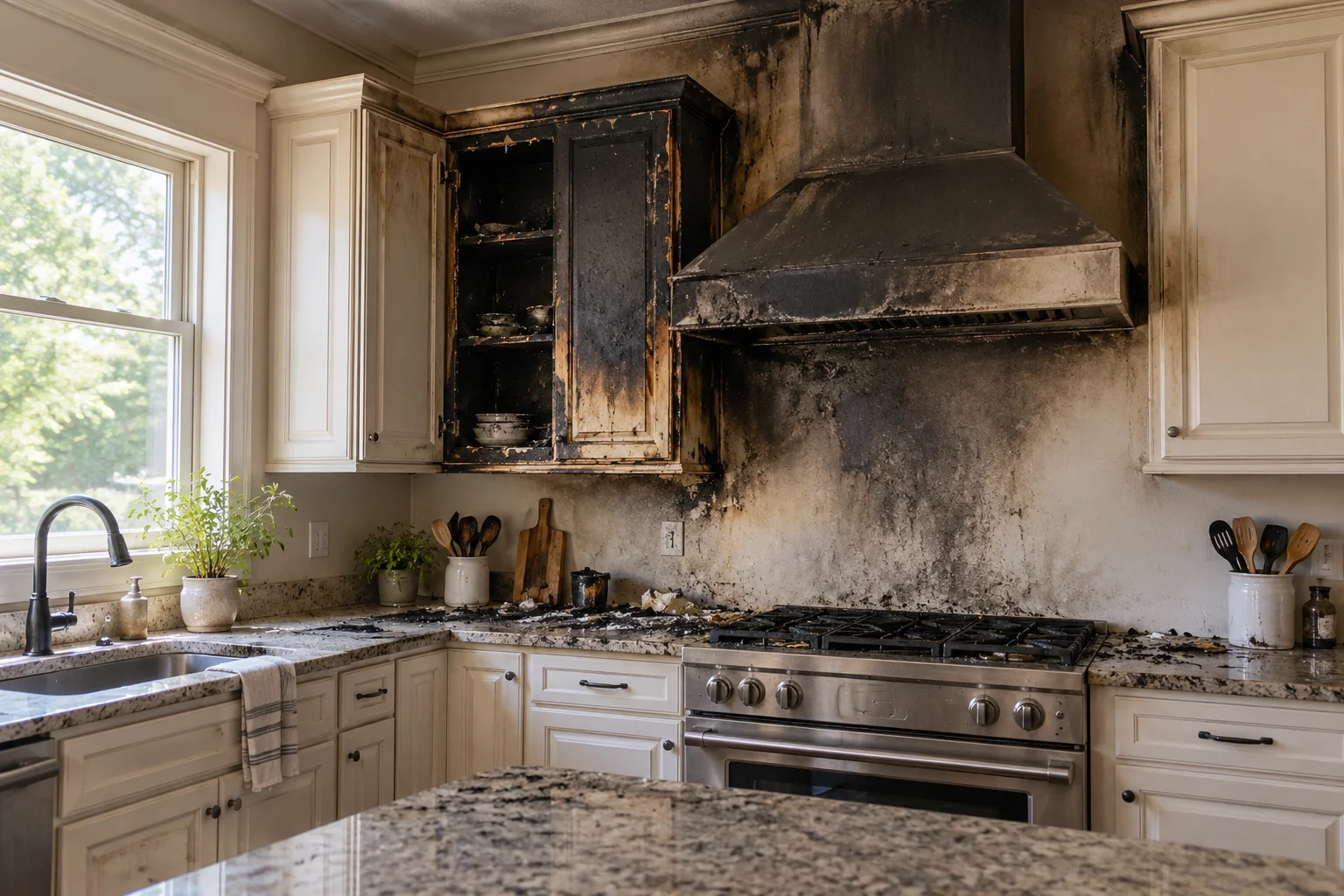
Visible charring tells only part of the story. Smoke, soot, and water may affect different parts of the property, each with its own cleanup needs.
Fine residue may settle beyond the room where the fire started. Tell us which areas were exposed before attempting surface cleaning.
Discolored finishes and lingering smoke concerns call for a material-specific assessment. Covering a surface may leave residue underneath.
Water used to control a fire can soak flooring, ceilings, and wall materials. Those areas need consideration alongside smoke and soot cleanup.
Start with the conditions in your property. Build the scope around what is affected.
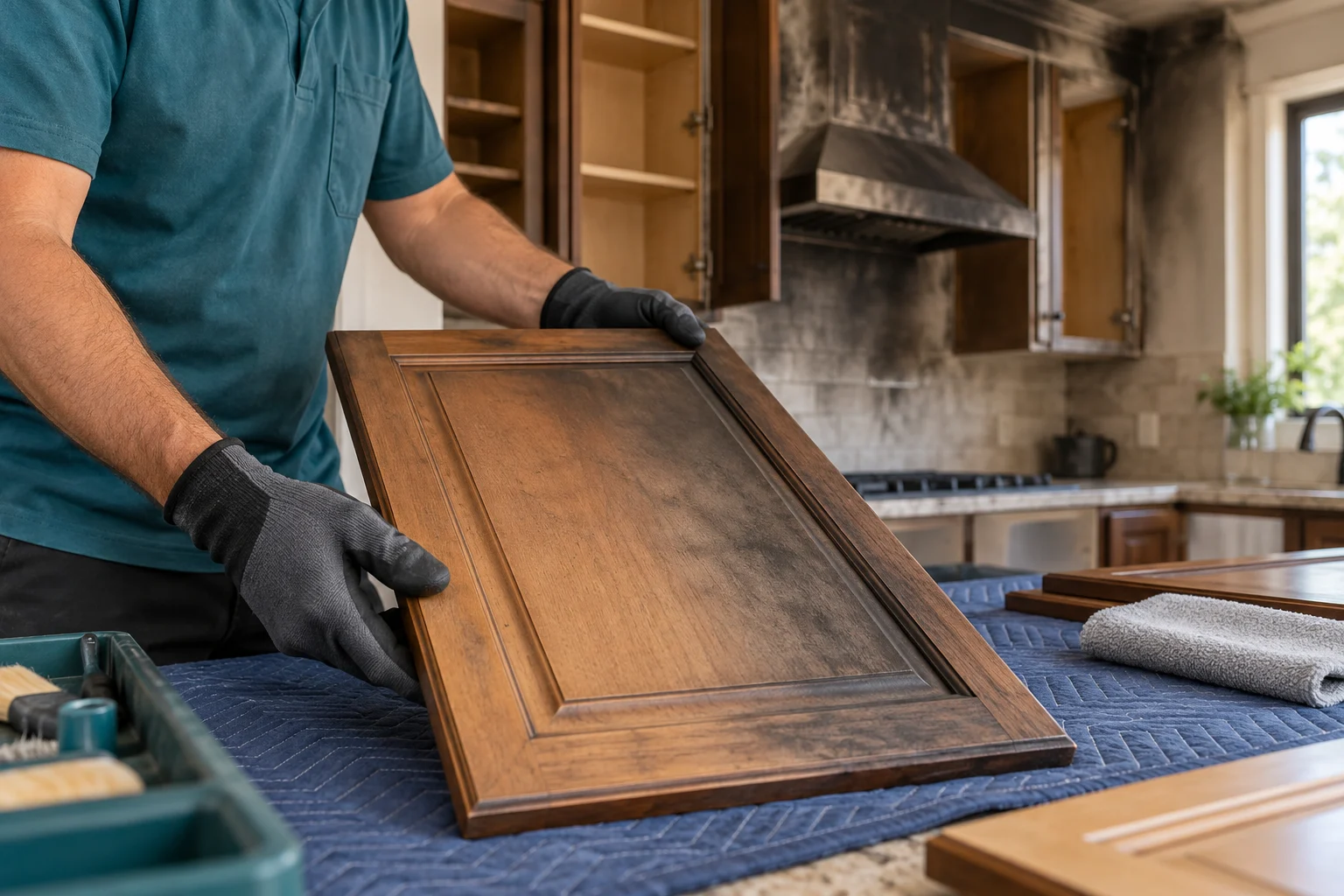
Different materials call for different cleanup decisions.
Illustrative service sceneThe affected rooms, finishes, and materials are reviewed to establish the cleanup priorities and the limits of surface restoration.
Cleaning decisions depend on the residue and the material beneath it. A painted wall and a finished wood surface may need different approaches.
Wet areas left by firefighting are included in the discussion so drying needs are considered alongside the fire-related work.
Once cleanup needs are understood, the remaining damaged finishes and repair requirements can be discussed as a defined scope.
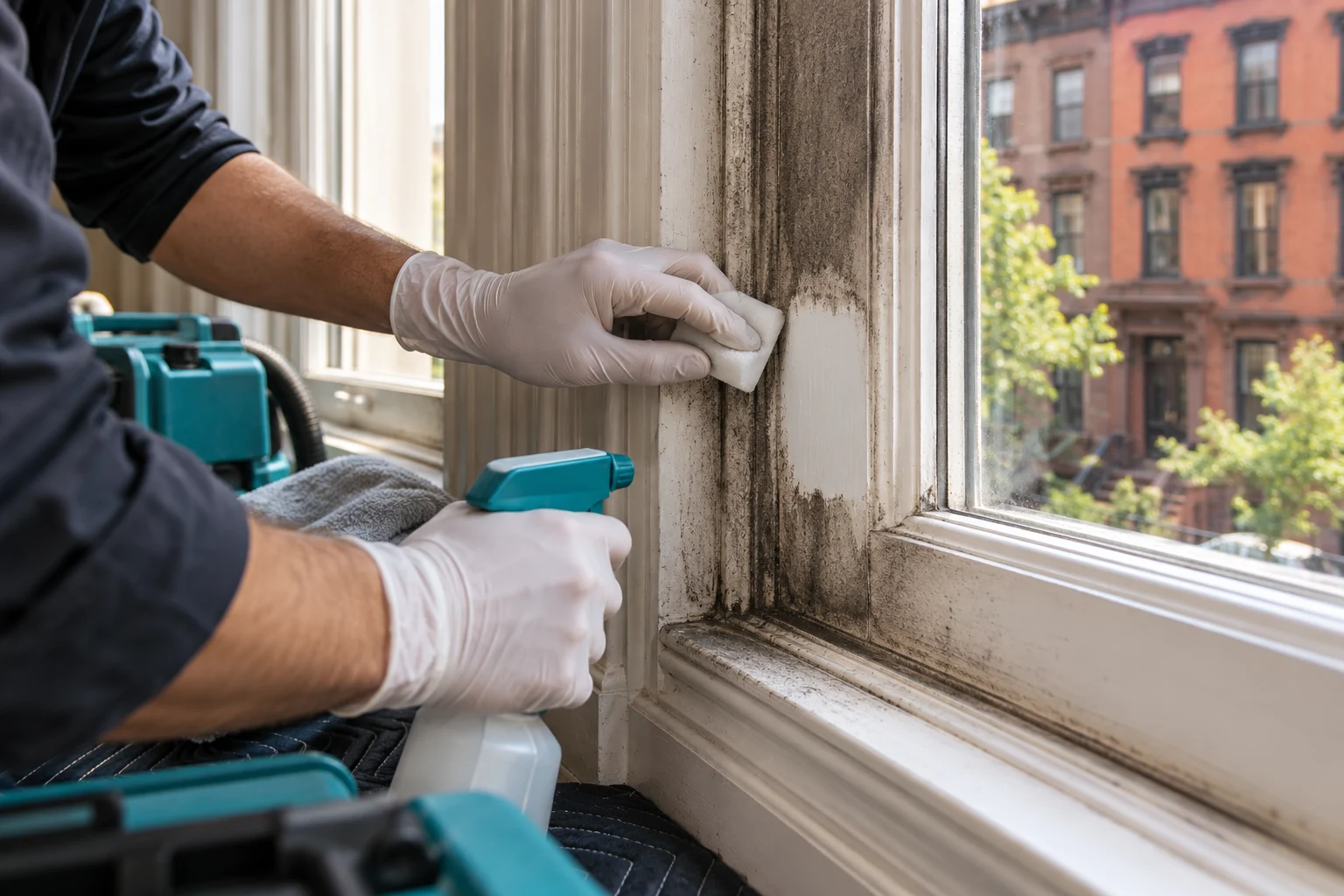
Residue behaves differently on porous and nonporous materials. The condition of paint, wood, fabric, and other finishes matters when deciding what can be cleaned and what may need replacement.
We explain the work being considered before moving from assessment to cleanup. That gives you a chance to ask about the surfaces, belongings, and rooms that matter most to you.
Tell us what the fire authorities have advised and which spaces are available for assessment.
The scope considers residue, affected materials, and any water left by firefighting.
The agreed approach sets the work area and the cleaning methods appropriate to the surfaces involved.
Cleanup findings help clarify the damaged finishes and additional repair work to plan next.
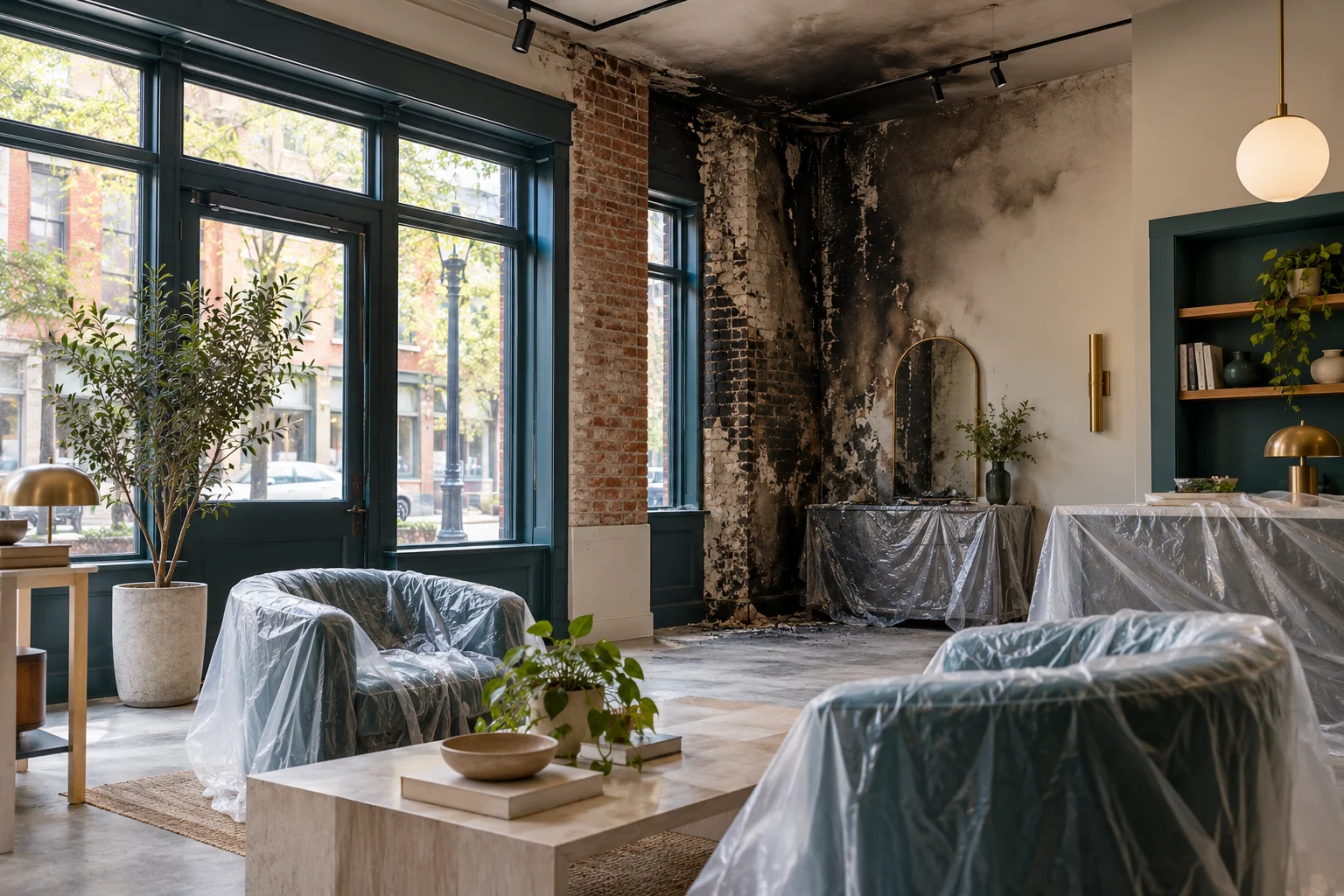
A fire in one room can affect family routines throughout the home. Identify the rooms and belongings you are concerned about when discussing the scope.
Smoke exposure and firefighting water can involve adjacent units. Property management and access contacts help coordinate the affected areas.
Stock, work surfaces, and customer areas bring different priorities. Discuss affected operations and access requirements before cleanup is organized.
Fire damage is not priced by the size of a soot mark alone. The materials, exposure, and condition of the property help establish what the work involves.
Discuss your propertyCustomer feedback from our Google business profiles.


Very friendly staff, clean work, and great results.
Their team was professional, responsive, and thorough with the water damage cleanup and restoration.
We had a pipe burst in our condo on a Sunday night and water was already spreading into the hallway. I called Hudson Waterfront and they arrived in under an hour. The team was calm, professional, and got the water extracted quickly before it damaged the floors further. They also set up drying equipment and explained everything clearly. Highly recommend them for anyone living near the waterfront.
After heavy rain, we noticed mold starting to grow in our basement apartment. Hudson Waterfront came out the next morning, contained the area, and handled the mold remediation properly. They were thorough, left the place clean, and walked me through what was done so I understood the process. Great communication the whole time.
Our washer overflowed while we were at work and soaked the flooring and baseboards. Hudson Waterfront responded fast, removed the standing water, and dried everything out completely. They were respectful of our home and coordinated well with our building management. The place looks and smells like nothing ever happened. Excellent service.
I manage a small commercial space near the waterfront and had a leak that was turning into a mold issue. Hudson Waterfront handled both the water damage and the mold cleanup efficiently. Their team was knowledgeable, showed up on time, and finished the job without disrupting business more than necessary. I’d call them again without hesitation.
Choose your community to explore our Hudson County service area. Call with your address to confirm availability.

Tell us when the fire happened, whether entry is permitted, and the areas affected. We’ll discuss what information is needed to plan an assessment and a quote.
(551) 373-757724/7 Emergency ServiceQuestions about fire damage in Hoboken.
No. Safe access must follow the direction of the fire department and other responsible authorities. Tell us what clearance or restrictions have been given when you call.
The residue and surface need consideration before cleaning. Describe the materials involved and any cleaning already attempted so the assessment can account for their condition.
A fresh coat does not remove underlying residue. Cleaning and material decisions should be discussed before refinishing an affected surface.
The material, condition, and exposure influence whether an item can be cleaned or needs another decision. Let us know which belongings you want considered; do not assume every item can be restored.
Yes. Tell us about wet flooring, ceilings, and walls so the scope can consider drying alongside soot and smoke-related cleanup.
The extent of damage, access restrictions, cleaning needs, and remaining repair work all affect timing. A useful schedule follows an assessment and an agreed scope rather than a blanket promise.
Water, fire, mold, or storm damage.
One call is a good place to start.